
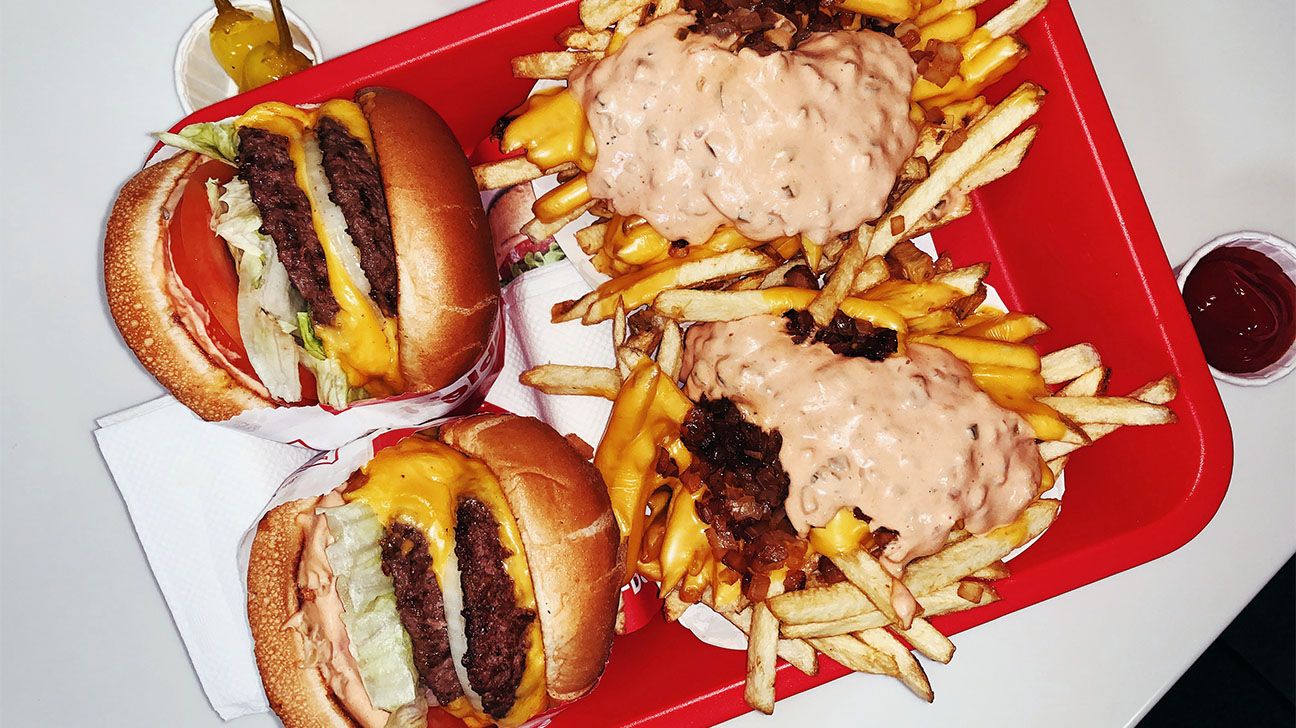
- A recent review found that ultraprocessed foods (UPFs) could be just as habit-forming as cigarettes.
- The study authors discovered that UPFs are designed to boost pleasure and hasten the delivery of rewarding ingredients.
- The habit-forming nature of such products suggests they promote uncontrollable eating and interfere with appetite regulation.
- The researchers propose that UPFs could be governed by regulations akin to those for cigarettes.
At present, there is not a universal description of ultraprocessed foods. Some people describe them as products that contain ingredients you are unlikely to have in a personal cupboard, for instance stabilizers and artificial substances.
Numerous experts employ the NOVA system to classify UPFs. This refers to foods that are “combinations of ingredients, primarily of exclusive industrial use, often produced by a set of industrial techniques and processes.”
A fresh review published in The Millbank Quarterly suggested that ultraprocessed foods may be just as habit-forming as cigarettes.
“It is my view with this research, as UPFs are intentionally formulated to be extremely attractive to many consumers,” commented a bariatric surgeon independent from the research.
Research from last year calculates that over 73% of the foods available in the America is classified as ultraprocessed.
“Tobacco and ultraprocessed foods are not simply natural products but highly engineered consumable products designed specifically to maximize physical and mental reinforcement and repeated intake,” noted the new study’s scientists.
Can Ultraprocessed Foods Addictive?
The review synthesized findings from addiction, historical health policy, and nutrition to highlight sensory and structural features that boost the reinforcing potential of both tobacco and UPFs.
“Not everyone is ‘addicted’’ to such products, but for a meaningful minority, they elicit classic addiction-like behaviors: strong cravings, loss of control, and persistent consumption even with negative health effects,” said a preventive cardiology dietitian.
“These foods are deliberately engineered with refined carbs, extra oils, sodium, and flavor enhancers to maximize pleasure and ongoing intake, and the industry employs aggressive marketing tactics, especially targeting young people,” she continued.
The researchers focused on several important factors:
- delivery speed
- pleasure-based design, or designing foods to be irresistibly good
- perfecting the amount
- widespread availability
- misleading changes, or “wellness branding”
They found that, like cigarettes, UPFs are fine-tuned to deliver the optimal amount of sugar.
“Refined carbohydrates trigger dopamine production via the vagus nerve, whereas lipids achieve this via fat detection in the gut,” the researchers noted.
“… UPFs with significant amounts of processed carbs and added fats are among the most highly addictive substances in the contemporary food supply. It is key that this processed carb and fat combination is almost nonexistent in whole foods.”
How these foods quickly deliver “pleasure-inducing” substances to the brain makes them potentially addictive, in a comparable way to tobacco.
The review noted that while tobacco are designed to deliver nicotine rapidly, ultraprocessed foods are formulated to be broken down and absorbed quickly, as they usually have little to no fiber. This allows for the body to process lipids and carbohydrates faster.
Authors also note that ultraprocessed foods give intentional flavor bursts that dissipate rapidly and textures that dissolve easily. This collectively works to trigger increased pleasure signals and encourages individuals to consume additional amounts.
‘Health Washing’ in Cigarettes, Ultraprocessed Foods
Based on the review, both the cigarette and processed food sectors have long used a tactic known as “health washing.”
This is when products are marketed and reformulated to generate an perception of reduced harm while maintaining the core of their properties.
This tactic in the tobacco industry gained traction in the mid-20th century with the advent of filters on cigarettes.
These were marketed as safety features that would catch tar and particles before they entered the respiratory system. In reality, filters offer little meaningful benefit.
Yet, people typically adapted by inhaling deeper or increasing consumption, which negated any decrease in toxin exposure.
The food industry has taken a similar approach. It uses labels like “reduced fat” or “no sugar added” to market ultraprocessed foods.
Yet, these items still contain the same highly reinforcing ingredient combinations. The problem is that these reformulations present a surface-level impression of health while the product’s addictive structure and metabolic harms remain intact.
Ought UPFs Face Controls?
The researchers noted at the conclusion of their paper that nourishment and tobacco are fundamentally different.
Nevertheless, they cautioned that certain ultraprocessed foods act like engineered products rather than real nourishment. They proposed that public health policy should reflect this distinction.
“Tobacco offers a cautionary tale, and smoking regulations offers a model of hope,” the authors stated.
Because of regulations, smoking levels in the US have declined and have “reshaped cultural views of smoking and eroded trust in the sector.”
“It is my opinion greater education about the negative impact of ultra-processed foods is essential to lower general consumption and improve public health. The approaches used to curb tobacco consumption have been effective and may be a helpful model for ultra-processed foods as well,” said one specialist.
“I don’t think UPFs ought to be controlled precisely like tobacco, but they do warrant stronger, tobacco-inspired policies: advertising limits, obvious packaging warnings, tighter standards on wellness assertions, and restrictions in schools or medical facilities,” added another dietitian.
The authors reminded people that lightly altered and whole foods have sustained our well-being for millennia.


